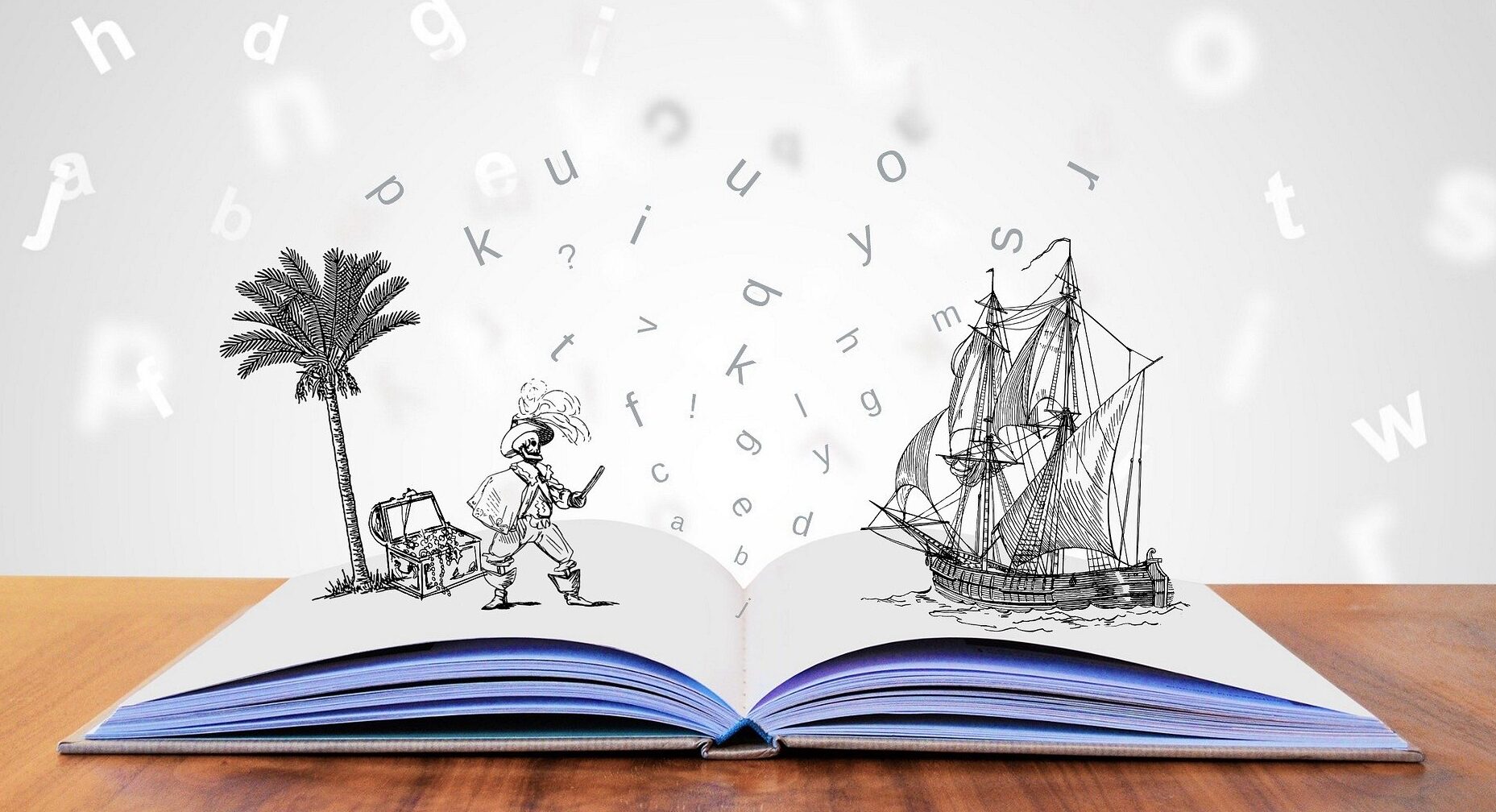
Storytelling is the art of sharing experiences, values, beliefs, and dreams with others through inventive narrative structures. It is a powerful way to connect with others and convey important messages. Storytelling has been an integral part of human culture for centuries, and it continues to play a significant role in modern society. From books and movies to social media and advertising, storytelling is an essential tool for communicating ideas and engaging audiences. It allows individuals to share their unique perspectives and connect with others on a deeper level, making it a valuable skill for personal and professional growth.
Character development is a crucial aspect of storytelling. The characters in a story are the driving force behind the narrative, and their actions and decisions shape the plot. A well-developed character is relatable, dynamic, and memorable, and they can evoke emotions and empathy in the audience. In order to create compelling characters, storytellers must give them depth and complexity, including flaws, motivations, and aspirations. By doing so, the audience can connect with the characters on a personal level and become invested in their journey.
Conflict is another essential element of storytelling. Without conflict, there is no story. Conflict creates tension, drives the plot forward, and challenges the characters. It can take many forms, including internal conflict, interpersonal conflict, and societal conflict. The resolution of conflict is what gives a story its satisfying conclusion and leaves a lasting impact on the audience. By understanding the role of conflict in storytelling, storytellers can create compelling narratives that resonate with audiences and leave a lasting impression.
Exploring Narrative Across Different Media
Storytelling is an art form that has been present in literature for centuries. Literature has the power to transport readers to different worlds, evoke emotions, and provide insight into the human experience. In literature, storytelling is often used to explore ethical and moral dilemmas, as well as to create complex characters and intricate plots. The connection between remembering and imagining is foregrounded in literature, and the ambiguous role of narrative in the configuration of selves and communities is explored. As such, literature offers a unique and powerful form of storytelling that continues to captivate readers of all ages.
Storytelling has also been prevalent in film and television, which have become increasingly popular mediums for narrative storytelling. Film and television offer a visual and auditory experience that can immerse viewers in a story and create a sense of emotional connection with characters. Storytelling in film and television can also be used to explore complex themes and issues, as well as to entertain and engage audiences. Additionally, documentary and social media have also been used as forms of storytelling, providing insight into real-life experiences and issues.
In recent years, video games have emerged as another medium for storytelling. Video games offer an interactive and immersive experience that allows players to become active participants in a story. Storytelling in video games has become increasingly sophisticated, with complex narratives, well-developed characters, and engaging gameplay. Video games also offer an opportunity for players to explore different worlds and perspectives, and to engage with ethical and moral dilemmas. As such, video games have become an important form of storytelling that continues to evolve and captivate audiences.
The Art of Crafting a Compelling Story
Crafting a compelling story requires careful attention to pacing and structure. Pacing refers to the rhythm and tempo of the narrative, while structure refers to the overall organization and arrangement of the story’s elements. A well-paced story will keep the audience engaged and invested in the plot, while a well-structured story will have a clear beginning, middle, and end that effectively convey the story’s message. By paying close attention to pacing and structure, storytellers can create a narrative that resonates with their audience and leaves a lasting impact.

Dialogue and description are also essential components of effective storytelling. Dialogue helps to develop characters and move the plot forward, while description creates a vivid and immersive setting for the story to take place in. By using dialogue and description effectively, storytellers can bring their narrative to life and make it more engaging for their audience. Additionally, the use of themes and symbolism can add depth and meaning to a story, allowing the audience to connect with the narrative on a deeper level. By integrating these elements into their storytelling, creators can craft a narrative that is both engaging and thought-provoking.
In conclusion, the art of storytelling is a powerful tool for sharing experiences, values, beliefs, and dreams with others through inventive narrative structures. By paying attention to pacing and structure, using dialogue and description effectively, and incorporating themes and symbolism, storytellers can create a compelling narrative that resonates with their audience and leaves a lasting impact. Whether through oral tradition, literature, film, or other forms of media, storytelling has the power to connect people and inspire change.